
Communications Personnel Take Pride in Their Work
Received The following from Phil Tinney:
Back in about 1966, State Magazine came out with an article from probably the director general of personnel at the time, and tried to portray us as not quite on a level with others in our missions. Many of us found it to be pretty inaccurate of our talent, dedication and overall contributions to the Foreign Service that we had embraced as a life-long career. The article while well-meaning, certainly portrayed us as separate from others in the Foreign Service and needing help. Here is the article from the bad old days, I will follow it with a few excerpt photos that I used to lampoon the entire article. I won't bore you with all of them, but I took the entire article and found appropriate (or maybe non-appropriate pics) to match the words.
Enjoy
Phil
In the June issue of the NEWS LETTER, I discussed the proper treatment of secretaries. Communications personel make up another Support Staff functional staff group whose work and problems sometimes are not sufficiently understood or appreciated by other Foreign Service personnel.
A rapid, accurate, and secure communcations system is essential to the Department and Foreign Service Personnel manning the system must be dedicated and competent. To a degree unique even to the Foreigh Service, they must be prepared to subjugate their personal desires and plans to the requirements of their job.
Expediting important messages to and from the post is exciting business, and communications personel can take great pride in the essentiality of their task. The vital nature of their responsibilites, however, sometimes requires them to work overtime, irregular hours, or both. Moreover, some of their tasks can be tiresome, repetitive, routine and dirty. Sometimes their work is dangerous, when for example, during crisis conditions personel must go to the airport for pouch exchages or report to an embassy which may literally be under siege.
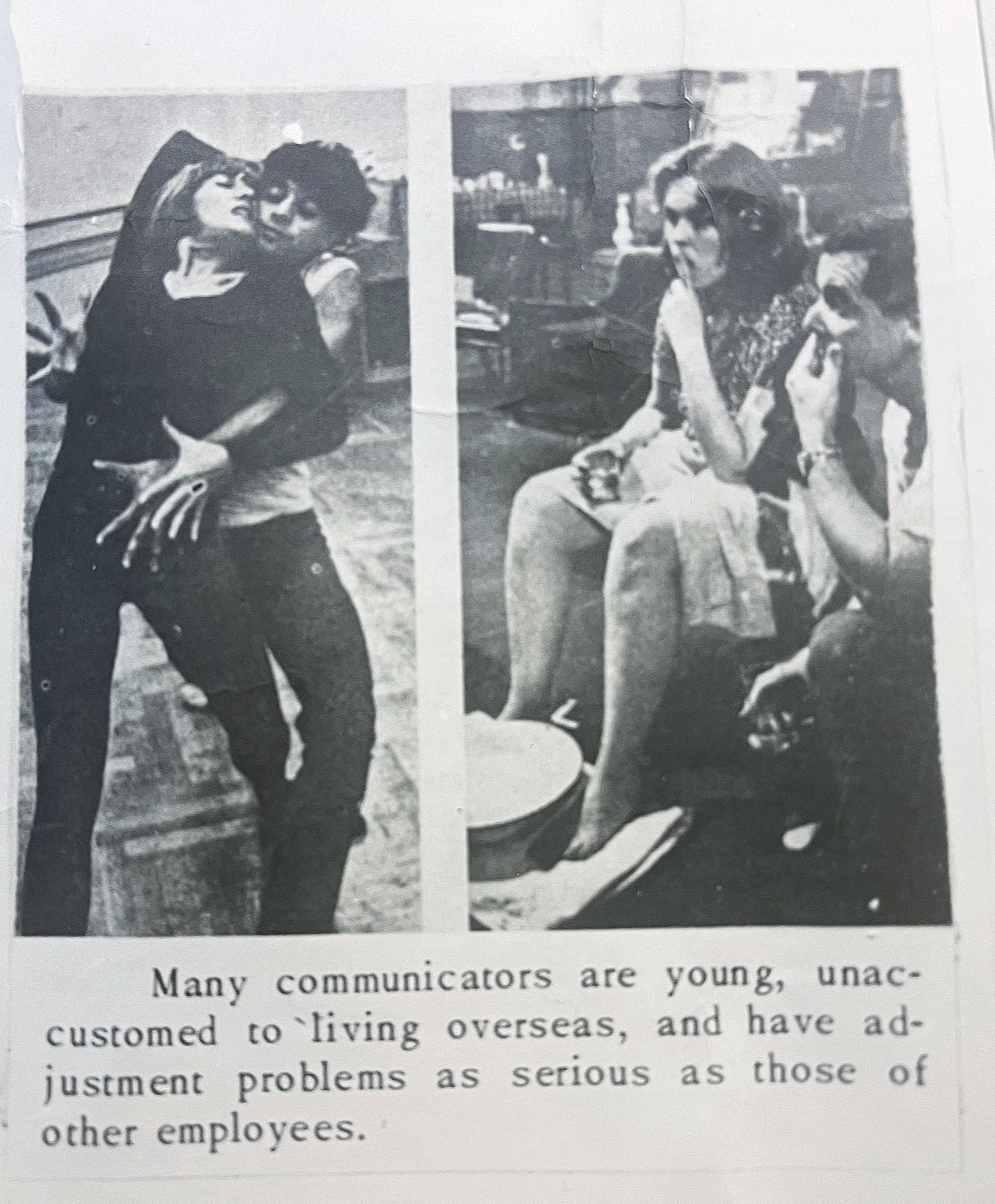
Given all of the above, it behooves other members of the staff to be sympathetic to the unique problems of the C & R personnel and make every effort to include them in the normal social life of the post. The equitable distribution of work schedules and shifts should permit communications personnel to share with others the attractions of Foreign Service life, such as the opportunity to become acquainted with the host country and its people. Supervisors, togehter with the posts' admimistrative sections, should, to the extent possible, insure that sufficient funds are set aside to permit compensation for anticipated overtime work.
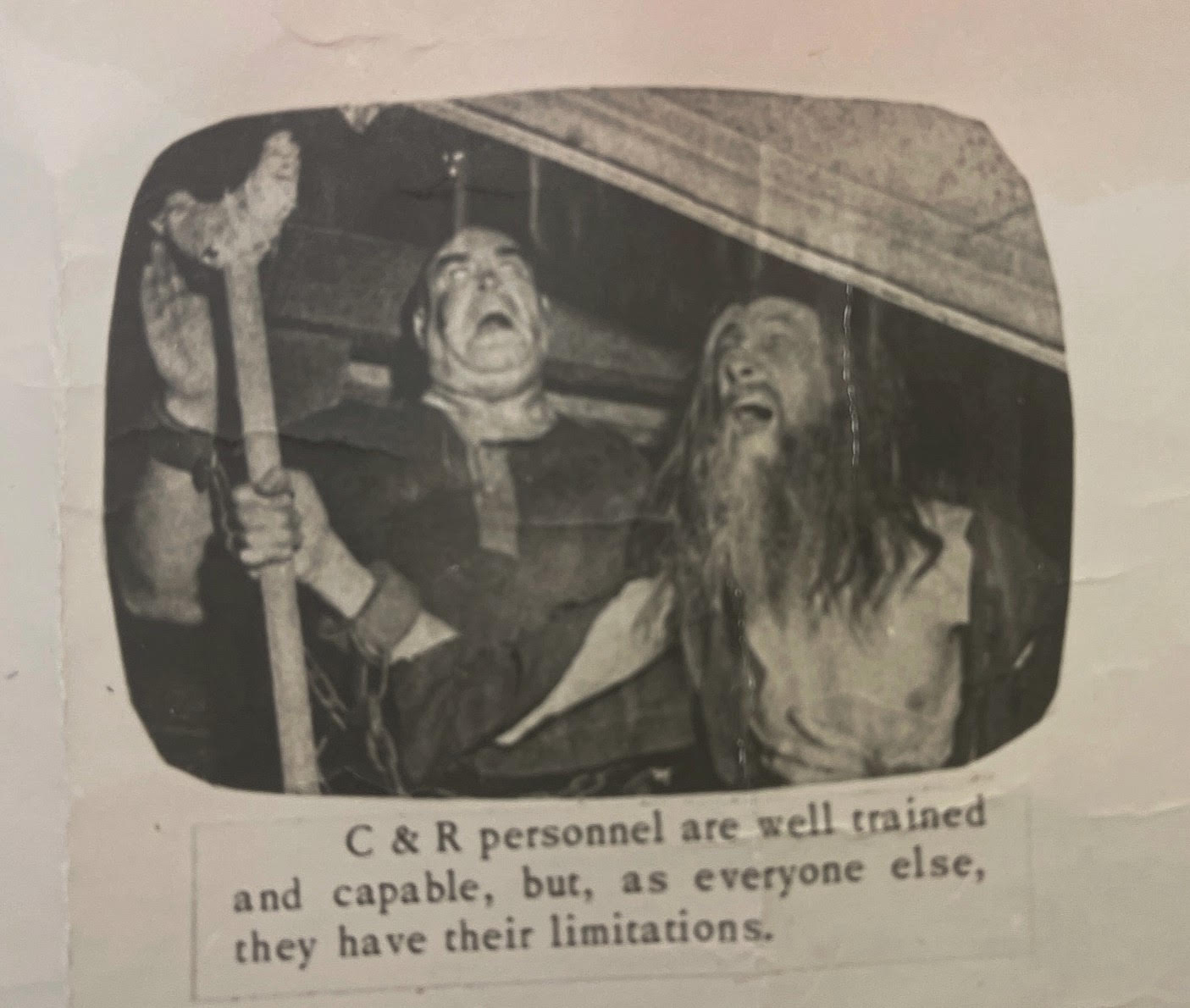
For example, they are expected to keep the files in good order and be able to retrieve material rapidly, but they handle hundreds of documents and cannot be expected to produce instantly a vaguely identified paper. The economic officer, or his secretary, is not justified in criticizing the file clerk for being unable to locate immediately "that telegram we sent a few months ago about that AID project up north."
Communications personnel deserve a vote of thanks, or, at the very least, understanding consideration for the jobs they do and the unique problems they face. They belong to a support organization, charged with the responsibility to provide vital services. Maintaining files and punching tapes are not ends in themselves, as every communicator will agree, but they are essential to the functioning of every Foreign Service post.
As I sugested to the secretaries, those C & R personnel who feel this article could have a salutary effect might bring it to the attention of their supervisors and other members of the staff at their posts.